
What Is a Key Issue? Comic Book Keys Explained
What makes a comic a key issue: first appearances, cameos, origins, deaths and first issues, how to check one, and why reprints and facsimiles aren’t keys.
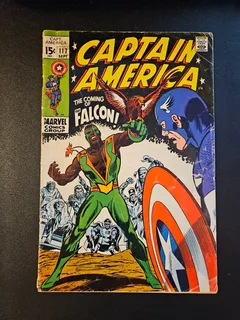
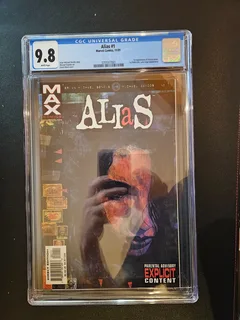
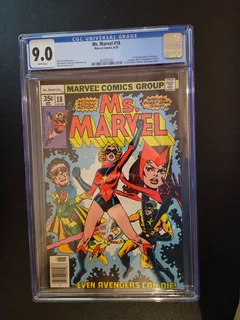
A key issue is a comic book that matters to collectors because something important happened in it: a character’s first appearance, an origin, a death, the first issue of a long run, or a cover that became famous. Keys are the issues collectors look for first in any series, and they usually sell for more than the issues around them.
There’s no official list. An issue becomes a key because collectors agree it is one, and a minor key can become a major one when a character reaches film or television.
What makes a comic a key issue?
- First appearance. The first time a character is in a comic. Amazing Fantasy #15 (1962) is Spider-Man’s; Giant-Size X-Men #1 (1975) is the first appearance of Storm, Colossus and Nightcrawler.
- First cameo. A brief earlier appearance, often a single panel, before the character’s real debut (more on this below).
- Origin. The issue that tells where a hero or villain came from, such as Batman’s origin in Detective Comics #33 (1939).
- Death. A major character’s death, such as Gwen Stacy’s in Amazing Spider-Man #121 (1973) or Superman’s in Superman #75 (1993).
- First issue. Issue #1 of a title, especially a long-running one like Amazing Spider-Man #1 (1963).
- Key storyline. An issue from a story that changed the series, such as “Days of Future Past” in Uncanny X-Men #141–142 (1981).
- Classic cover. A cover collectors want for the art alone, whatever is inside.
Major keys and minor keys
Collectors sort keys by how much they matter. A major key is the first appearance or origin of a character everyone knows, or an event that defined a title. A minor key is something smaller: the first appearance of a supporting character, a first meeting between two heroes, or a second appearance. Minor keys are where most collectors start.
Cameo or first full appearance?
This is the distinction that causes the most confusion. A cameo is a brief appearance, often one panel at the end of an issue, where the character isn’t named or doesn’t take part in the story. A first full appearance is the first issue where the character is named and plays a real part.
The best-known example is Wolverine. He first appears in the last panel of Incredible Hulk #180 (October 1974), seen from behind with his claws out. His first full appearance is the next issue, Incredible Hulk #181 (November 1974). Collectors treat #181 as the key and #180 as the cameo, even though #180 came first, and even the people who made the books still debate it.
So when a listing says “1st appearance,” check whether it means the cameo or the full appearance, and ask the seller if it isn’t clear.
What isn’t a key: reprints, facsimiles and later printings
- Reprints. Many famous stories were reprinted in later series and collections. The story is the same, but the key is the original issue.
- Facsimile editions. Since 2018, Marvel has reprinted famous keys page for page, ads included, as Facsimile Editions, and DC prints them too. They’re good, affordable reading copies, but they’re new comics: modern paper, a modern price and barcode, and “Facsimile Edition” printed on the cover. We list facsimiles under the year they were reprinted, not as the original.
- Later printings. When a modern issue sells out, the publisher prints more, usually marked “2nd printing” or with a different cover. The first printing is the key.
Variants are different. A newsstand copy, a direct edition and a Canadian price variant of a key are all the same key, printed for different shops, and collectors often prefer one over another.
How to check a key before you buy
- Match the issue. Check the series, the volume and the cover date, not just the number. Many titles have restarted at #1 several times, and the ages of comics guide shows how to date a cover by its price.
- Read the key note. Is it a first full appearance or a cameo? A first appearance or the first appearance in a costume?
- Rule out reprints. Look for “Facsimile Edition”, a “2nd printing” mark, or a cover price that doesn’t fit the cover date.
- Check the condition in the photos. Keys are bought for the long run, so look at the spine, corners and back cover. Our grading guide explains the grade words.
- Ask. If anything about a key is unclear, ask us before you buy.
Key issues at Republic Comics
Comics we list as keys carry a Key flag on their cover in every listing, and the key note sits under the title on the comic’s page, in plain words: “1st full appearance of…”, “1st cameo of…”, “origin of…”. Every copy is photographed, so you can check the cover, the price box and the condition yourself. Our listing pages have a Key issues only filter, and all of them are together on Key issues in stock. For the best reading by character, see our guides to Spider-Man, X-Men, Batman and Wolverine comics.
Key issues in stock
See all in stock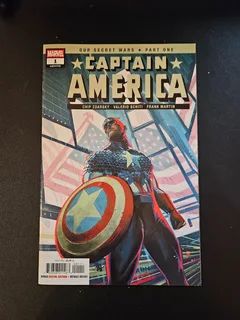
Captain America #1 (2025)
1st appearance of David Colton
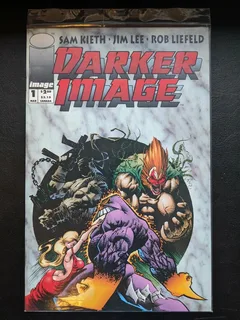
Darker Image
1st Deathblow, Bloodwulf and the Maxx
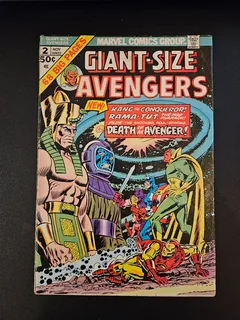
Avengers Giant-Size #2 (1974)
Death of the Swordsman
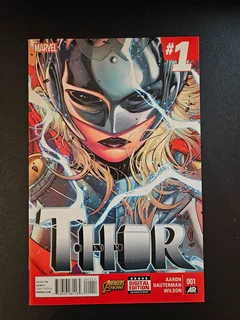
Thor #1 (2014)
1st Jane Foster as Thor
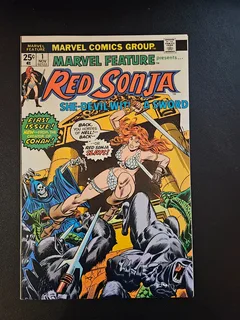
Marvel Feature #1 (1975)
1st Red Sonja solo comic
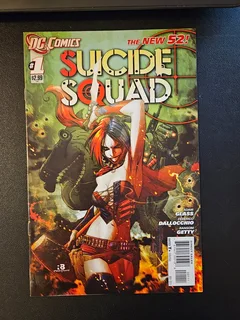
Suicide Squad #1 (2011)
1st New 52 Suicide Squad
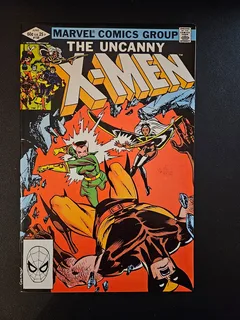
Uncanny X-Men #158 (1982)
2nd appearance of Rogue, her 1st in X-Men
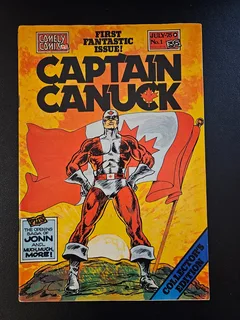
Captain Canuck #1 (1975)
1st appearance of Captain Canuck
Sources
- Wikipedia: Wolverine (character), first appearances in Incredible Hulk #180–181
- GoCollect: The first Wolverine cameo, Incredible Hulk #180
- ComicBook.com: Wolverine co-creator on the #180 / #181 debate
- CBR: Does a cover appearance count as a first appearance?
- Wikipedia: First appearance
- The Comic Book Sanctum: What are Marvel Facsimile Editions?