
Ages of Comics: Golden Age to Modern Age
The ages of comics in order, Golden Age to Modern Age: the years, cover prices and books that define each, and how to date a comic from its cover.
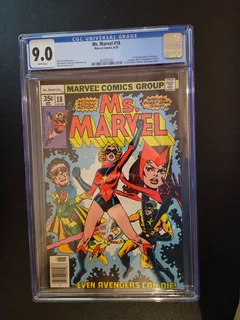
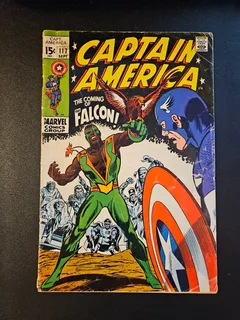
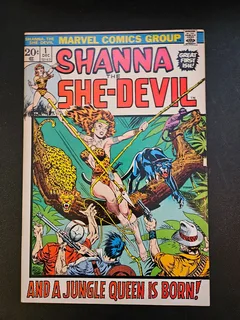
Collectors split American comics into ages, named like the ages of metals. The ages aren’t official, and collectors still argue about where each one ends, but they’re a useful shorthand: say “Bronze Age” and another collector knows roughly the years, the cover prices and the kind of stories you mean. These are the years we use, the same as on our era pages.
| Age | Years | Cover prices | Often said to begin with |
|---|---|---|---|
| Golden Age | 1938–1955 | 10¢ | Action Comics #1 (1938), the first Superman |
| Silver Age | 1956–1969 | 10¢–12¢, 15¢ by 1969 | Showcase #4 (1956), the new Flash |
| Bronze Age | 1970–1984 | 15¢–60¢ | Conan the Barbarian #1 and Green Lantern/Green Arrow (1970) |
| Copper Age | 1985–1991 | 65¢–$1.00 and up | Crisis on Infinite Earths (1985) |
| Modern Age | 1992–today | $1.25 and up | The founding of Image Comics (1992) |
Golden Age (1938–1955)
Superman’s arrival in Action Comics #1 in 1938 started the superhero comic, and Batman, Wonder Woman, Captain America and Captain Marvel followed within a few years. Comics sold in the millions during the Second World War. After the war, superheroes faded in favour of crime, horror, romance and western comics, and the era closed with the Comics Code of 1954, which set rules for what comics could show. Anything earlier than 1938, such as collections of newspaper strips, is sometimes called the Platinum Age.
Golden Age books are rare and expensive, and we seldom have them in stock.
Silver Age (1956–1969)
DC brought superheroes back with a new Flash in Showcase #4 in 1956, then rebuilt Green Lantern, the Atom and the Justice League. Marvel answered with Fantastic Four #1 in 1961, and within two years had Spider-Man, the Hulk, Thor, Iron Man, the X-Men and the Avengers. Stan Lee, Jack Kirby and Steve Ditko gave Marvel’s heroes everyday problems alongside the super-villains. Cover prices went from 10¢ to 12¢ in the early 1960s.
Silver Age comics in stock
See all in stock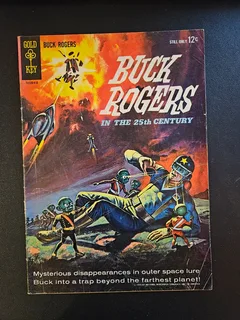
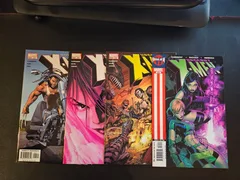
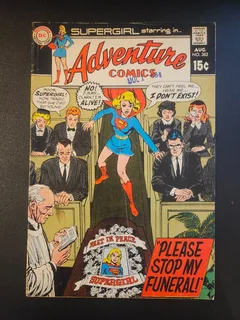

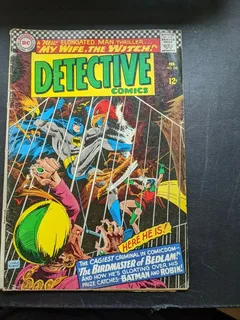
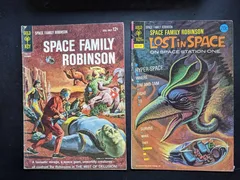
Bronze Age (1970–1984)
Stories got darker and closer to the real world: Green Lantern and Green Arrow took on drugs and racism, Conan arrived in 1970, horror titles came back once the Comics Code relaxed in 1971, and Giant-Size X-Men #1 in 1975 launched the new X-Men team. Cover prices climbed from 15¢ to 60¢. From late 1982, many Marvel and DC newsstand copies sold in Canada carried their own Canadian cover price: the Canadian price variants collectors look for today.
Bronze Age comics in stock
See all in stock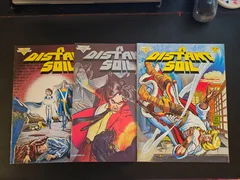
A Distant Soil #1-3 (1983)
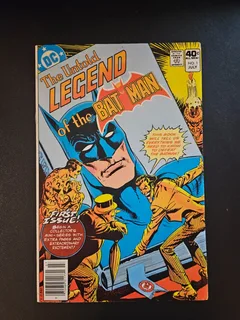
The Untold Legend of the Batman #1 (1980)
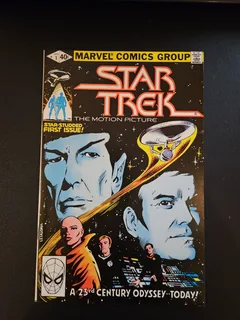
Star Trek the Motion Picture #1 (1980)
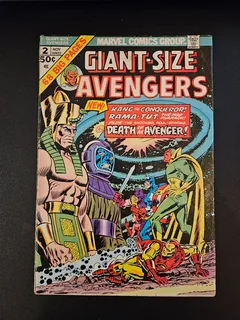
Avengers Giant-Size #2 (1974)
Death of the Swordsman
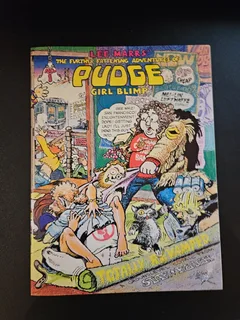
Pudge Girl Blimp #1 (1979)
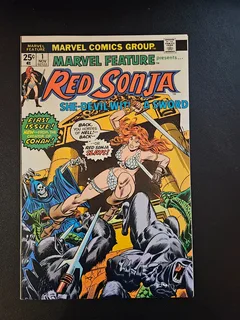
Marvel Feature #1 (1975)
1st Red Sonja solo comic
Copper Age (1985–1991)
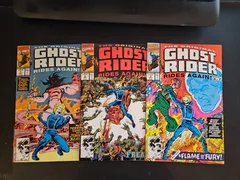
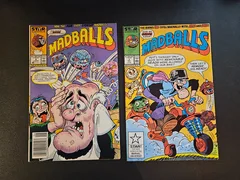
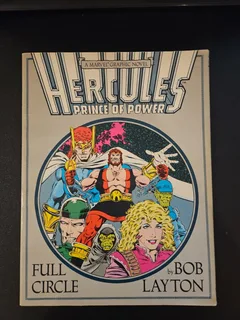
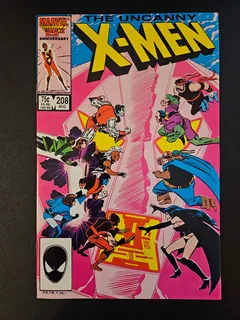
Crisis on Infinite Earths rebuilt the DC Universe in 1985, and in 1986 The Dark Knight Returns and Watchmen changed what readers expected from a superhero comic. Comic shops took over from newsstands as the main place to buy, so many issues exist in both newsstand and direct editions. The era ends with a boom: a new generation of artists drew some of the best-selling comics ever made, and X-Men #1 in 1991 sold millions of copies.
Copper Age comics in stock
See all in stock
Modern Age (1992–today)
A group of Marvel’s star artists left to found Image Comics in 1992, and Spawn #1 sold over a million copies. The early 1990s brought foil, hologram and polybagged covers, and a crash when the speculation ended. Since then: the Ultimate line, big yearly crossover events, and today’s variant covers, ratio variants and blind bags. Most new collectors start here, because so many characters from film and television first appeared in these years.
Modern Age comics in stock
See all in stock


How to date a comic from its cover
- The cover price narrows it to a few years. The table above gives the ranges.
- The Comics Code seal, a small stamp in the top corner, appears on most mainstream comics from 1955. Marvel dropped it in 2001, and DC in 2011.
- A UPC barcode on the cover means a newsstand copy from the mid-1970s or later. A picture or logo in the barcode box usually means a direct edition, sold through comic shops.
- A Canadian cover price on its own, on a Marvel or DC newsstand copy from late 1982 to the mid-1980s, means a Canadian price variant.
- The cover date runs ahead of the real on-sale date, usually by two or three months. The indicia, the small print on the first page, gives the official date and the issue number.
Where the lines are fuzzy
Every boundary here is debated. Some collectors end the Silver Age in 1970, start the Bronze Age with a particular issue, or fold the Copper Age into the Modern Age. We use one set of years so our era pages stay consistent; if a comic sits near a line, its listing gives the cover date so you can decide for yourself. Condition matters more than age when you buy: see how we describe it in the grading guide.